
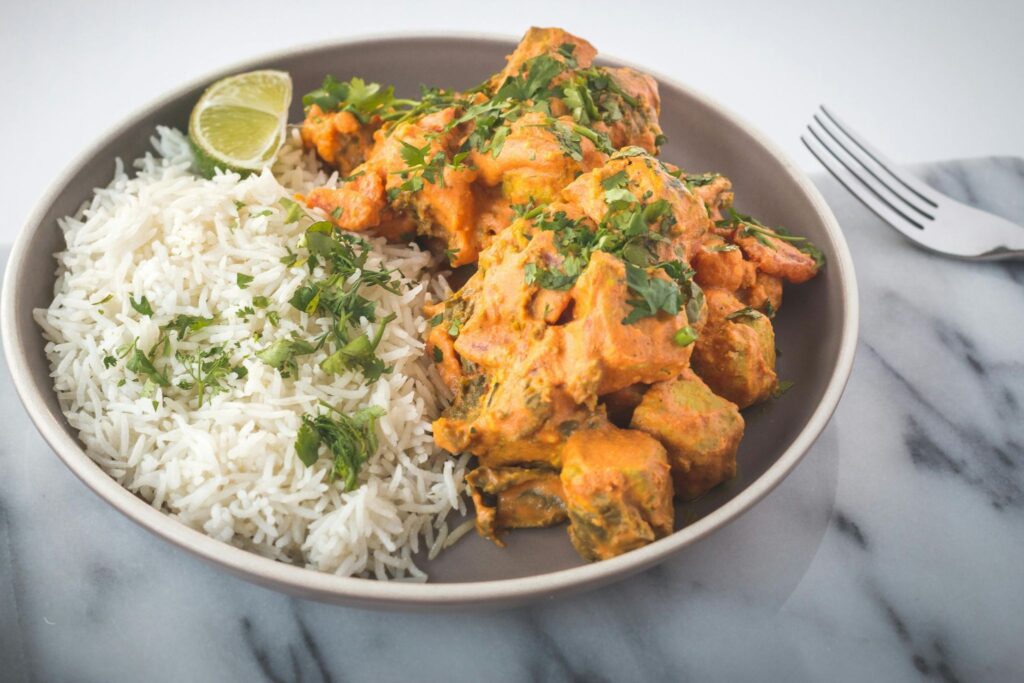
South Indian chicken curry is not just food. It is history on a plate — centuries of trade, migration, and agricultural tradition compressed into a single bowl. Unlike the creamy, tomato-heavy curries most people associate with “Indian food,” South Indian versions are bolder, thinner, and far more complex. Coconut, tamarind, and curry leaves do the heavy lifting here.
Regional Indian food varies dramatically even within the South itself. Tamil Nadu, Kerala, Andhra Pradesh, and Karnataka each have their own version — sometimes wildly different from one another.
Why the Spices Hit Differently
The curry spices used in the South are not simply added. They are built. Whole spices — black peppercorns, dried red chilies, coriander seeds — are dry-roasted first, releasing oils that no amount of store-bought powder can replicate. This single step separates a good curry from a great one.
Mustard seeds, fenugreek, and curry leaves fried in coconut oil form the base of almost every dish. That sizzling tempering, called tadka or thalippu, is the heartbeat of authentic Indian cuisine in this region.
Numbers Worth Knowing
Indian cuisine is the most searched food category globally, according to a 2023 Google Trends report. South Indian food specifically saw a 34% increase in international recipe searches between 2021 and 2024. Chicken curry, in particular, accounts for nearly 60% of all Indian recipe searches online.
These are not small numbers. They reflect a genuine, growing curiosity — and that curiosity demands accurate, original information.
Finding Authentic Recipes Online — and Staying Safe While You Do
Here is where things get practical. Many of the best South Indian food blogs, YouTube channels, and regional cooking archives are hosted on platforms restricted in certain countries. Geo-blocking, content filtering, and government restrictions can make it genuinely difficult to access a recipe video from a Tamil grandmother in Chennai.
That is where cybersecurity tools become unexpectedly relevant to cooking enthusiasts. Using a trusted VPN service like veepn.com gives you encrypted, private access to foreign web resources — safely and without exposing your device to data collection or regional surveillance. It is a small step that opens a very large library of authentic Indian recipes that might otherwise be invisible to you.
The Architecture of a Traditional South Indian Chicken Curry
There is a structure to this dish that every home cook should understand. It is not random. It moves in phases.
Phase 1 — The oil base. Coconut oil goes in first. Mustard seeds pop, then curry leaves hit the pan and crackle loudly. Do not rush this.
Phase 2 — The aromatics. Onions, ginger, garlic. Cook low and slow until they almost disappear into the oil. This takes longer than you think — usually 15 to 20 minutes.
Phase 3 — The spice bloom. Ground coriander, red chili powder, turmeric, black pepper. They go in dry, directly onto the onion paste, and cook for 2 full minutes. That rawness has to cook out completely.
Coconut: The Ingredient That Changes Everything
In Kerala-style chicken curry, coconut appears in multiple forms simultaneously. Fresh grated coconut, coconut milk, sometimes coconut oil. This layering creates a richness that dairy simply cannot match.
Andhra-style, by contrast, uses little to no coconut — just an aggressive combination of red chilies and tamarind. Same region, completely different philosophy. That contrast is what makes regional Indian food so endlessly interesting.
The Chicken Itself Matters
Most traditional cooking techniques call for bone-in chicken pieces. Always. The bones release gelatin during cooking, which thickens the curry naturally and adds a depth of flavor that boneless breast meat cannot provide.
Marination is brief but important — yogurt, chili, turmeric, and salt for at least 30 minutes. This tenderizes and pre-seasons the meat before it ever touches the pan.
Learning from the Source
If you want to go deeper into traditional cooking techniques, the best teachers are not always in cookbooks. Regional Indian channels cooking, food documentaries, and live-streamed cooking classes from Indian chefs are scattered across platforms like YouTube, Hotstar, and lesser-known regional sites. Some of these are geographically restricted — which is why many serious food learners turn to tools like VeePN VPN. Mainly to access international culinary content without interruption, just as they would use any privacy tool to protect their browsing habits while exploring niche food archives.
Slow Cooking: The Technique Nobody Wants to Skip But Should
Here is the uncomfortable truth about homemade curry: it takes time. Real time. A proper South Indian chicken curry should simmer, uncovered, for at least 35 to 45 minutes after the chicken goes in.
This evaporation is not a flaw. It is the method. The sauce reduces, concentrates, and clings to the meat. Patience is the most important spice in this recipe.
What Makes It “Authentic,” Really?
Authenticity in cooking is a complicated word. In South Indian chicken curry, it does not mean following one fixed recipe. It means understanding the logic of the dish — why the spices are toasted, why the onions must caramelize, why the coconut goes in last.
Once you understand the logic, you can adapt. That is what every home cook in Tamil Nadu or Andhra Pradesh does every single day. The dish is alive, not frozen in time.
Final Thoughts
South Indian chicken curry rewards effort and punishes shortcuts. The spices must be fresh. The onions must be patient. The simmer must be long. But when it comes together — that dark, fragrant, complex sauce coating bone-in chicken — there is almost nothing else like it in the world of Indian recipes.
Start once. Make it again the following week. By the third time, you will not need a recipe at all.