

Indian cuisine is an ensemble of diversity and harmony. Notably, it has absorbed indigenous culinary traditions of multiple nations: the Mongols taught Indians how to use tandoor ovens, the British introduced Hindus to the culture of tea drinking, and the Portuguese brought chili peppers and other spices.
Eating habits are subject to transformation, as well as trading with the MetaTrader 4 download for PC. Things around us are kaleidoscopic, and downloading a robust trading platform may set up a good foundation for your future successes.
In this food guide, we’ll explore Indian dishes that are worth incorporating into your diet and why they’re considered the epitome of vigor.
Food Patterns and Habits
Have you ever considered what an average Indian consumes every day? There is no unanimous answer here, but we can definitely identify a few patterns.
Everyone is aware that locals favor the dishes abounding in plant-based protein, such as beans, grains, fruits, and vegetables. For a gourmand, it may lack variety, but simplicity is fundamental in Indian cuisine.
For non-vegetarian food lovers, versatile meat choices are available. The rule of thumb: the cow is considered sacred, and you won’t come across beef throughout the country.
In Indian tradition, speedy cooking methods rule the kitchen, turning separate ingredients into a menu story. Today, next-gen representatives are modifying old-school diets and adding more satisfying choices.
Are Spices Ruling the Scene?
One has probably heard that Indians cannot exist without putting a pinch of spice in every single dish, and their foods are hot to the my-mouth-is-on-fire level.

This bold statement is partly true, as spices are dominant. Here is the list of popular Indian seasonings and their health benefits:
- Cardamom—green pods with black seeds—is rich in potassium and magnesium, which improve heart function.
- Red chili peppers contain anthocyanins, which fight inflammation.
- Coriander, also known as cilantro, contains a rare vitamin P, which boosts appetite and stimulates the gastrointestinal tract. This spice is even beneficial for ulcers.
- Cumin (jeera)—contains iodine, which is essential for proper thyroid function.
Which Indian dishes are the healthiest?
When it comes to wholesome choices, you need to watch out for what is best for you. For example, trying to watch out for sugar and salt intake can be tricky, especially if you suffer from a serious health condition and require sticking to the diet at all times.
Take into account your long-term health while indulging in the most health-conscious options, including:
1. Indian Dal
A vegetarian dish made with lentils, tomatoes, carrots, ginger, chili pepper, and spices. It doesn’t take too much effort: simply cover the beans with water, bring to a boil, and add the vegetables.
Indians consider dal an important part of their cuisine for its high nutritional value. A bit of statistics: one serving contains about half the daily requirement of vegetable protein, vitamins A, B, and C, phosphorus, potassium, iron, and antioxidants.
Dal is undoubtedly a great add-on to your ration, with a touch of Indian heritage.
2. Biryani Rice
Favored by many, rice is a traditional Indian side dish and an essential part of any meal. However, biryani rice differs from regular rice in that it is enriched with spices that not only add flavor but also provide a plethora of health benefits:
- Saffron is rich in manganese, which regulates blood sugar levels and is involved in bone and tissue formation.
- Cinnamon contains the antiseptic eugenol, which is even used for medical purposes.
- Cloves contain fiber, which eliminates troubles with gastrointestinal function.
- Ginger contains amino acids, which strengthen blood vessels.
In the world of wellbeing, a plate of biryani rice still reigns supreme regarding optimal picks from Indian cuisine.
3. Idli
Simply put, it is rice or chickpea with lentils steamed into small cakes. The leading benefit of this dish is that it’s steamed, making the dish low in calories.
Lentils, on the other hand, provide the body with nutrients: calcium, potassium, phosphorus, iron, and omega-3 and omega-6 fatty acids.
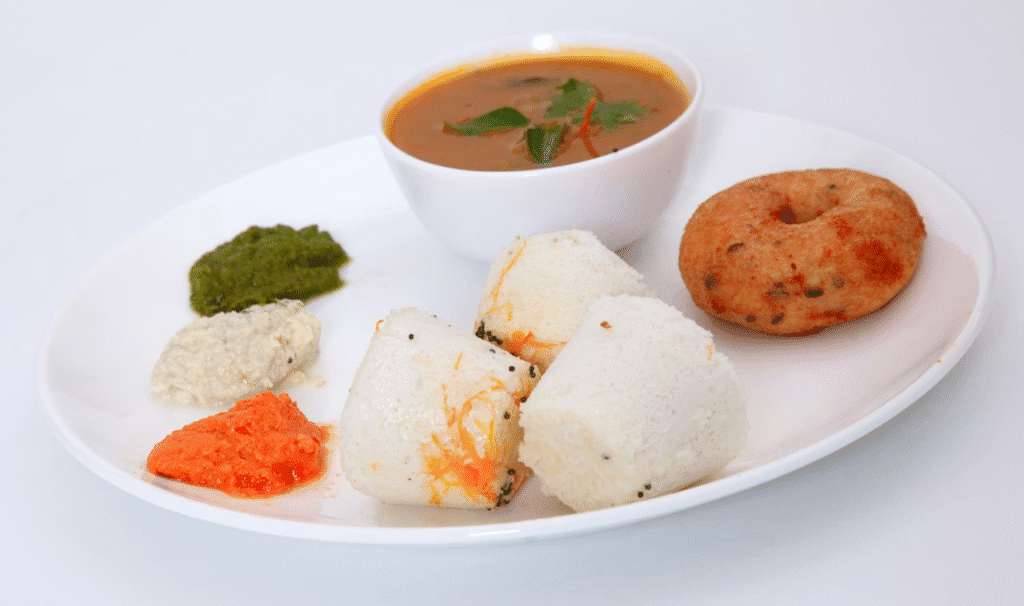
Being light on your digestive system, Idli is a favorable option for a festive dinner to avoid overeating.
4. Palak Paneer
A well-recognized Indian sauce takes a spot under the sun among the versatility of India-originated foods. The cooking process is straightforward: goat cheese (paneer) and spinach are ground, creamed, and enjoyed with rice, meat, or flatbread.
What’s more, goat cheese, unlike cow’s cheese, contains little saturated fat, carbohydrates, and cholesterol, meaning palak paneer sauce won’t add inches to your waistline.
5. Curry
This dish is a trendsetter, marking its presence on the tables in many posh establishments. Stewed vegetables and beans with spices are a perfectly balanced dish: the beans provide vitamins and fill the stomach, while the vegetables help digest the rest of the meal.
However, the greatest advantage of curry lies in spices: turmeric helps the body fight bacteria and normalizes the gastrointestinal tract, kidneys, and gallbladder. Some studies suggest that the curcumin it contains may be beneficial in preventing breast cancer.
Without exaggeration, either of these dishes may become a chapter in your health journey. Collect your tasty benefits on a plate!