
Korean street markets have become one of the most powerful forces driving global food tourism, attracting travelers who crave authentic flavors, immersive cultural experiences, and a sense of discovery that no restaurant can fully replicate. Just as travelers search for meaningful experiences, others also look up Pusoy to explore cultural versions of familiar games, proving how curiosity drives cross-cultural interest in many forms. Today, these vibrant markets are not just places to eat—they’re living cultural landmarks reshaping the way the world experiences Korean cuisine.
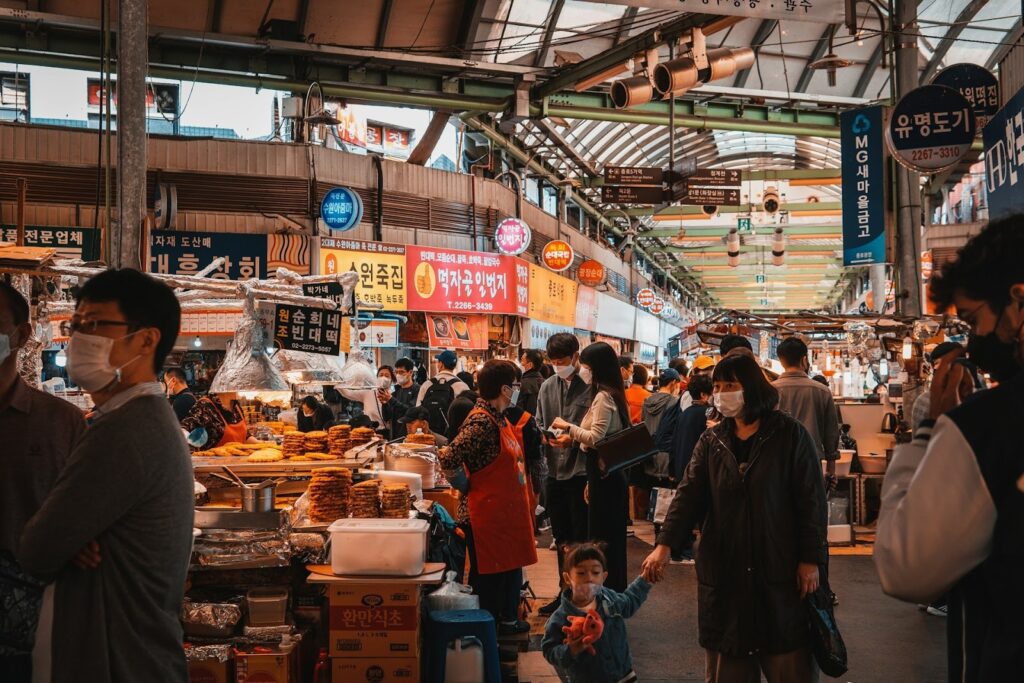
Why Korean Street Markets Capture Global Attention
Food tourism thrives on immersion, and no destination offers that better than Korea’s traditional markets. Places like Gwangjang Market, Namdaemun Market, and Jagalchi Market have evolved beyond simple commercial hubs. They’re now culinary hotspots blending tradition, innovation, and accessibility. As Korea’s global cultural influence continues to grow through music, fashion, and entertainment, its food scene has naturally followed, bringing more travelers to these lively markets.
Social media also plays a major role. Platforms like TikTok and YouTube overflow with street food clips highlighting freshly made tteokbokki, bindaetteok, hotteok, and gimbap. These short videos drive tourists to visit the exact vendors they watch online, turning markets into must-see destinations.
The Power of Authenticity in a Modern Travel Landscape
Modern travelers value authenticity more than ever. Unlike polished restaurants, street markets offer raw, unfiltered experiences that capture the true essence of Korean daily life. This authenticity becomes a magnet for food enthusiasts who want to connect with local culture in a direct way.
Visitors can watch vendors prepare dishes from scratch, observe traditional cooking methods passed down for generations, and interact with locals who represent the heart of Korean cuisine. Whether it’s a grandmother flipping jeon or a seasoned vendor grilling octopus, these personal touches create lasting memories for tourists.
Innovation Blends With Tradition
While Korean street markets preserve culinary heritage, they are also hubs of innovation. Vendors continuously experiment with flavor combinations to keep up with evolving tastes—both local and international. Fusion dishes like cheese-topped tteokbokki, shrimp-filled hotteok, and Korean-Mexican wraps have emerged as modern favorites.
This ability to innovate helps markets stay relevant. Travelers don’t just come for tradition; they also come to witness how Koreans reinterpret their cuisine in exciting new ways. Markets become showcases of both history and creativity—a balance that fuels food tourism.
Affordability Makes the Experience Accessible
Another major reason Korean street markets are reshaping food tourism is their affordability. While dining in trendy restaurants or cafes can be expensive, markets provide high-quality meals at budget-friendly prices. This appeals to students, backpackers, families, and even locals.
For a few thousand won, travelers can enjoy multiple dishes in a single visit, allowing them to explore flavors without worrying about cost. This accessibility encourages more people to try a wider variety of Korean foods, deepening their cultural appreciation.
Street Markets as Social and Cultural Hubs
Food tourism isn’t just about food; it’s about the social atmosphere that surrounds it. Korean markets are especially known for their lively, community-driven environments. The noise, aroma, and energy create a sensory-rich space that draws people in.
Visitors often sit at communal tables, share dishes with strangers, and interact with vendors who tell stories behind their recipes. This connectivity enhances the experience, making it more than just a meal—it becomes a cultural exchange.
The Impact of K-Drama and Hallyu on Market Tourism
The global rise of Korean entertainment has elevated street markets into tourist icons. Many K-dramas feature scenes in markets, showcasing romantic meetups, comedic moments, or emotional storylines. Fans travel from around the world to visit these filming locations.
Markets like Gwangjang Market gained massive popularity after appearing in shows such as “Street Food: Asia” on Netflix. Exposure like this transforms local vendors into international stars and pushes tourism growth even further.
Supporting Local Economies and Small Businesses
Street markets are powered by small, often family-run businesses. The boom in food tourism directly supports these vendors, allowing them to sustain their livelihood and continue traditional cooking practices. Increased foot traffic revitalizes market districts, helping communities flourish.
Tourists benefit, too—they gain access to genuine cultural experiences while contributing to local growth. It’s a mutually beneficial cycle that strengthens Korea’s culinary tourism industry.
A Gateway to Regional Specialties
While Seoul’s markets get much of the attention, regional Korean markets play an equally important role in shaping food tourism. Cities like Busan, Jeonju, Daegu, and Gwangju offer culinary specialties that differ from those in the capital.
For example:
- Busan’s Jagalchi Market is famous for fresh seafood and raw fish dishes.
- Jeonju’s Nambu Market highlights the flavors behind its world-famous bibimbap.
- Gwangju’s 1913 Songjeong Market blends historic charm with modern food stalls.
These regional experiences encourage travelers to explore beyond Seoul, supporting nationwide tourism.
The Future of Food Tourism Through Korean Markets
As global interest in authentic cultural experiences grows, Korean street markets will continue shaping modern food tourism. With their mix of tradition, innovation, affordability, and social energy, they stand as one of Korea’s most impactful cultural exports.
The future likely includes enhanced digital support—translation apps, smart maps, QR-based menus—which will make markets even more accessible to visitors. But at their core, the charm of Korean street markets will always lie in their people, flavors, and stories.