
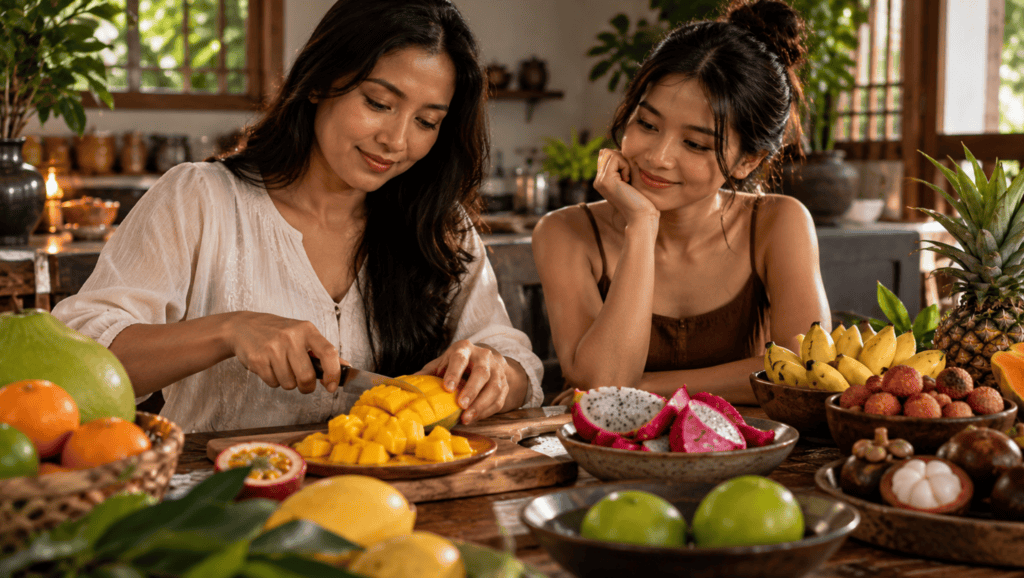
A blackening banana is hardly the prettiest thing in the fruit bowl. In a Kongunadu kitchen, though, it might be ready for kachayam. Four recipes make good use of fruit at very different stages. Gooseberry becomes a lively chutney. Pineapple softens beside nendran banana. Green mango makes a pickle. Fruit symbols have a long history on casino reels, from early mechanical machines to the artwork used in games on 1xbet MM in various modern slot releases. In the kitchen, ripeness determines how each fruit is prepared.
The Banana That Makes Good Kachayam
Brown freckles on the skin are useful. Ripe banana mashes easily, giving pazha kachayam a soft middle. This Kongunadu fritter combines maida and fine rava. Semolina lends texture. Cardamom adds fragrance.
There is a trap in adding extra sugar. It can darken the outside before the middle cooks. The recipe uses a measured amount and rests the batter for ten minutes. By then the bananas have released moisture, so water may barely be needed.
Small spoonfuls go into medium-hot oil. They should rise and colour gradually rather than brown at once. Turned gently, the fritters develop a golden crust around a tender centre. They work at afternoon tea or on a plate of assorted snacks. An otherwise neglected banana gets a second chance.
Nellikai Keeps Its Sharpness
Fresh nellikai has a tart bite that comes through clearly in chutney. The chutney starts with two large gooseberries, with the flesh cut away from the hard stones before grinding. Fresh coconut mellows the sourness without hiding it. Green chilli brings a little heat, while a touch of jaggery balances the flavour without making the chutney sweet.
Everything is ground without cooking. The first grind needs no water. A second brings the mixture together with a little liquid. It should stay thick enough to sit beside idli rather than running across the plate.
Mustard seeds crackle in sesame oil for the tempering. Urad dal and curry leaves follow. The gooseberry keeps its fresh bite. Mild dosai has a sharper companion.
Pineapple and Nendran Meet in the Pan
Pineapple nendran masala begins with ripe fruit. Chopped pineapple cooks beside nendran banana over low heat. Turmeric colours the liquid. Chilli powder adds warmth. The banana gradually loses its shape while the pineapple keeps some resistance.
After roughly fifteen minutes, a light mash thickens the mixture. Small pieces should remain for texture. The relish is finished with coconut oil and mustard seeds. Curry leaves perfume the tempering. Broken cashews add crunch.
Served with rice, it is a relish rather than pudding. Pineapple supplies a tang that stops the ripe banana from dominating. Its sweetness belongs alongside the meal, not necessarily after it.
Why Fruit Still Appears on Casino Reels
Cherries and lemons appeared on gaming reels long before online slots existed. Some early machines dispensed fruit-flavoured chewing gum, with pictures on the reels reflecting those flavours. Bright colours made the symbols easy to recognise through small viewing windows. The connection with chewing gum eventually disappeared, but the fruit designs remained.
Modern slots have far more room for visual detail. Reels can sit against illustrated backgrounds, while animated effects bring movement to the screen. Yet the familiar fruit symbols have changed surprisingly little. A red cherry is recognisable almost instantly, even on a small phone display. Lemons and plums rely on similarly simple outlines.
These traditional images remain part of casino design, familiar to those who access accounts through 1x bet myaNmar Login and encounter different styles of slot artwork. Modern graphics have introduced new ways to present the symbols, but their recognisable colours still connect today’s games with the earliest fruit reels.
Green Mango Has Another Plan
Mango thokku works best with a firm, green mango. Grate it with the peel still on, then add it to sesame oil once the mustard seeds start crackling. Chilli and fenugreek give the pickle its spice, while a little jaggery goes in after the mango softens, taking the edge off its sourness.
Keep cooking until the grated mango breaks down into a thick mixture and a little oil starts showing around the edges. Let the thokku cool before transferring it to a jar. It keeps longer in the fridge, especially if a dry spoon is used each time. A small spoonful is enough to bring a sharp, spicy kick to plain rice.
Four Fruits at a Glance
The same cooking method won’t work for every fruit. A ripe banana behaves quite differently from a firm green mango, as these four preparations show.
| Fruit | Treatment | Finished dish |
| Ripe banana | Fried batter | Soft kachayam |
| Indian gooseberry | Ground raw | Tart chutney |
| Pineapple and nendran | Slow simmer | Chunky relish |
| Green mango | Spiced oil | Thick thokku |
What These Recipes Leave on the Table
Fruit has a place at the table beyond dessert, and these dishes don’t all need to be sweet. Banana needs a quick fry. Gooseberry is best left sharp. Pineapple welcomes gentle heat. Green mango rewards a longer cook. The sharpest contrast begins with ripeness, long before the first pan is heated.